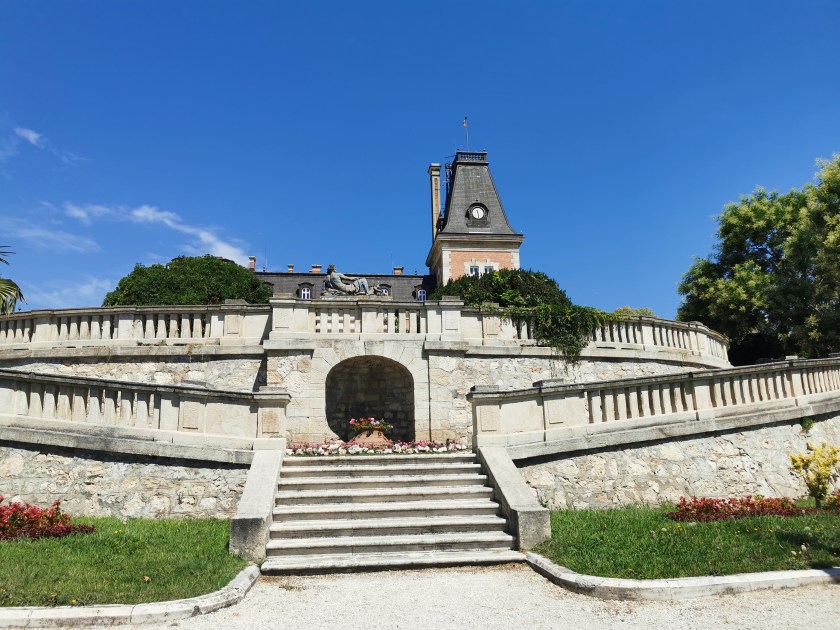
How an ancient fortress, became a monastery, then turned into a royal palace to end up as a government residence
Earlier this summer we decided to visit the Euxinograd residence near Varna. Currently a government residence, Euxinograd welcomes tourist visits only after a registration well in advance. Due to COVID-19 measures it was even harder to plan the visit so we left it for better days. Luckily, tours were restored and in the last weekend of July, in the heat of summer, I went to visit it for the first time. I did it the Balkan way- together with my parents, my sister, her husband and my cute nephew. We were only missing my boyfriend and a few cousins, aunts and uncles to complete the stereotype.
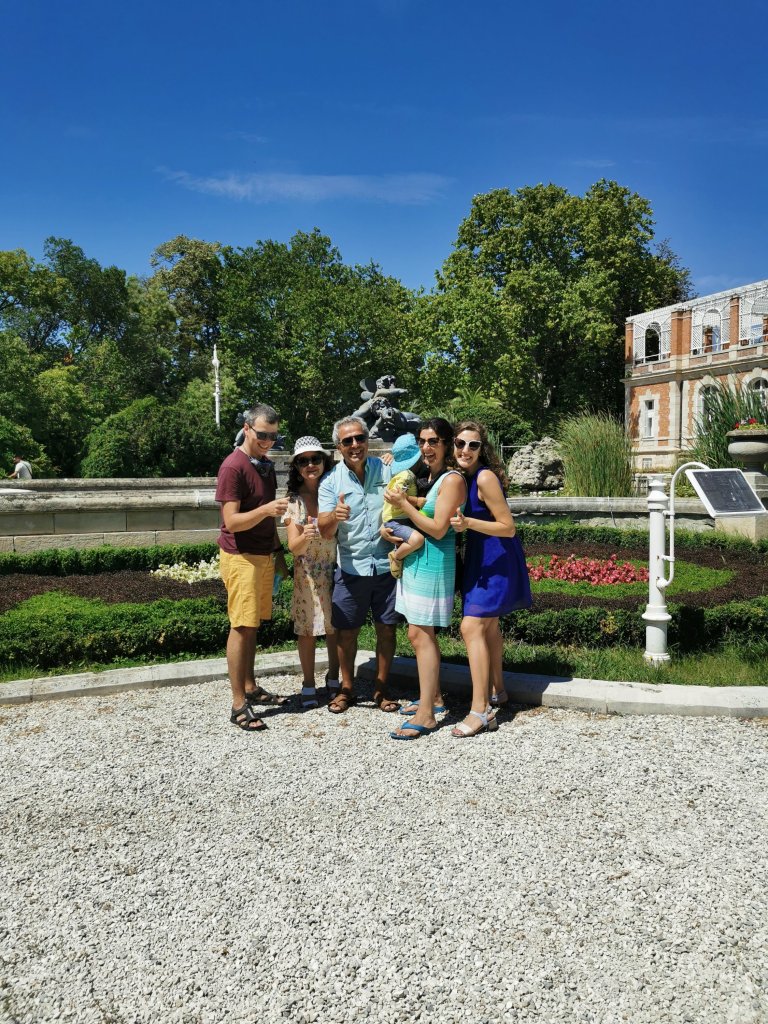
Frankly, I knew very little about the place prior to our visit so it was a very interesting and enjoyable experience despite the temperature hitting 37 degrees.
Let’s start with its history.
Very very long time ago, during the fourth to fifth centuries CE the area was home to a harbour settlement, which by the middle ages had become a city involved in shipping and trade. By the 15th century, however, only the port and fortress remained.
In mediaeval times, the settlement had a mixed population, of Greeks, Bulgarians, Genoese and Venetians, among others, a sign of its place in trade and commerce along the Black Sea coast at the time.
In the 19th century the ruins of the fortress wall were still clearly visible and the site was examined and measured by Czech-Bulgarian archaeologist Karel Škorpil in 1899.*
At the end of the nineteenth century Bulgaria got its first monarch in its modern history. Alexander of Battenberg – the first prince (knyaz) of the Principality of Bulgaria visited Varna in 1880 and he was welcomed at the St. Dimitar monastery, which was situated at the same place, where now the residence stands. The monarch liked the local nature so much, that two years later the Varna municipality bestowed him the monastery and its adjoining lands.
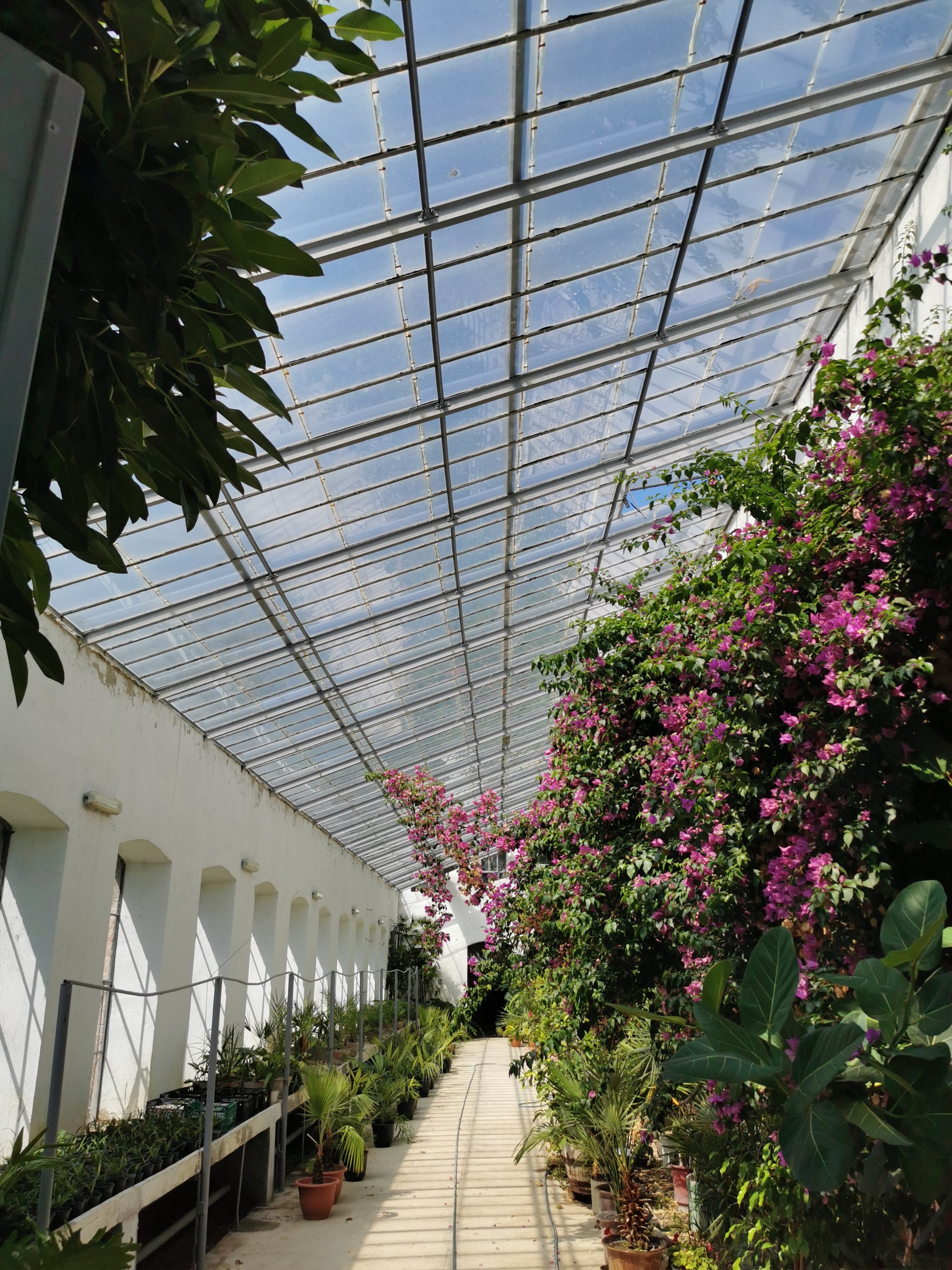
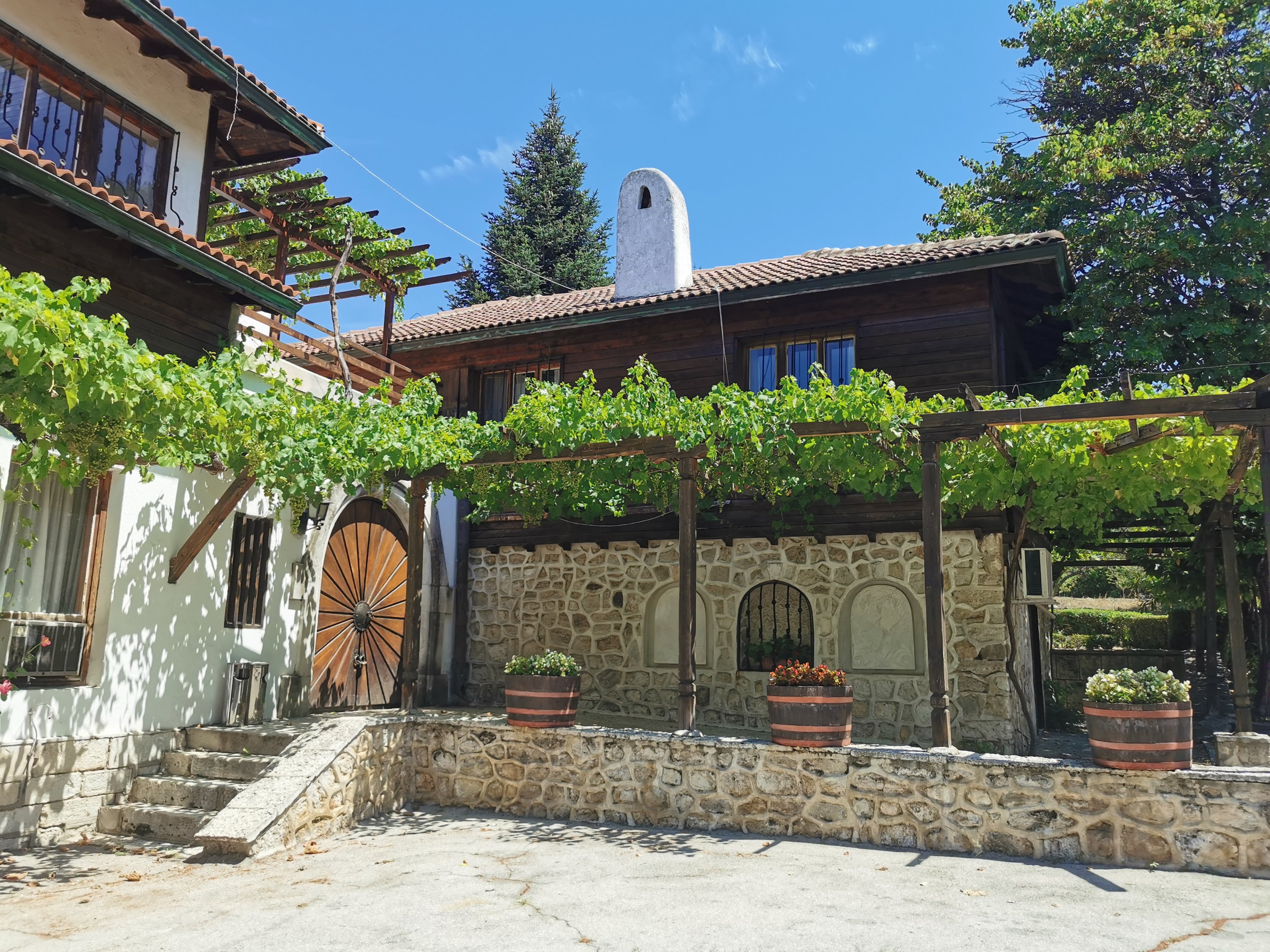
Long story short, he built a palace, then he brought French park architects to design the impressive 800 decare park and its adjacent greenhouses in 1888, and a German architect to design the palace winery – a successor of the old monastery cellar in 1891. These were not so easy tasks since the bare and stony areas had to be covered in fertile soil, mostly taken from the valley of Kamchia river. Initially, the palace was named Sandrovo after the Italian diminutive of Alexander’s name — Sandro.**
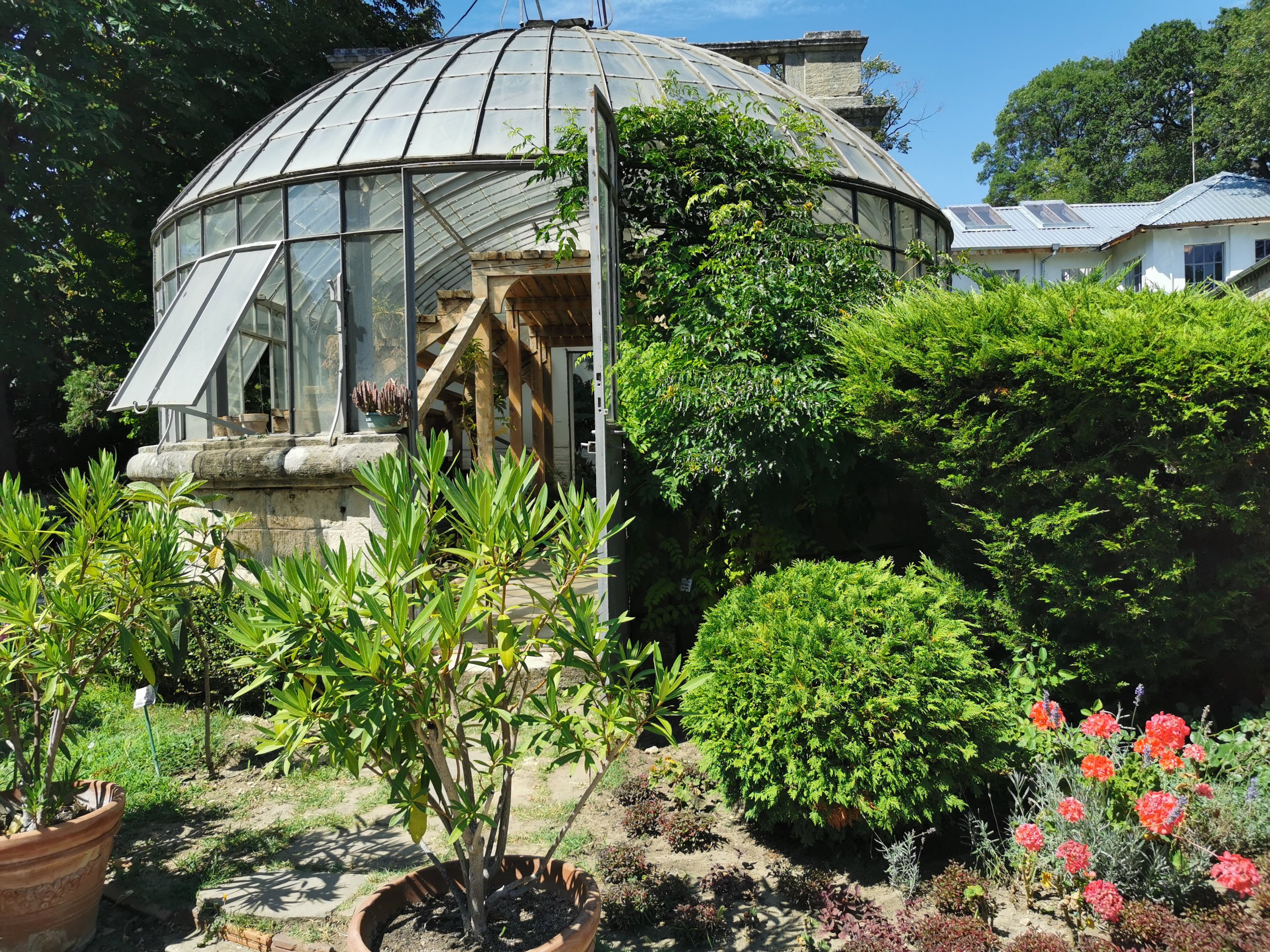
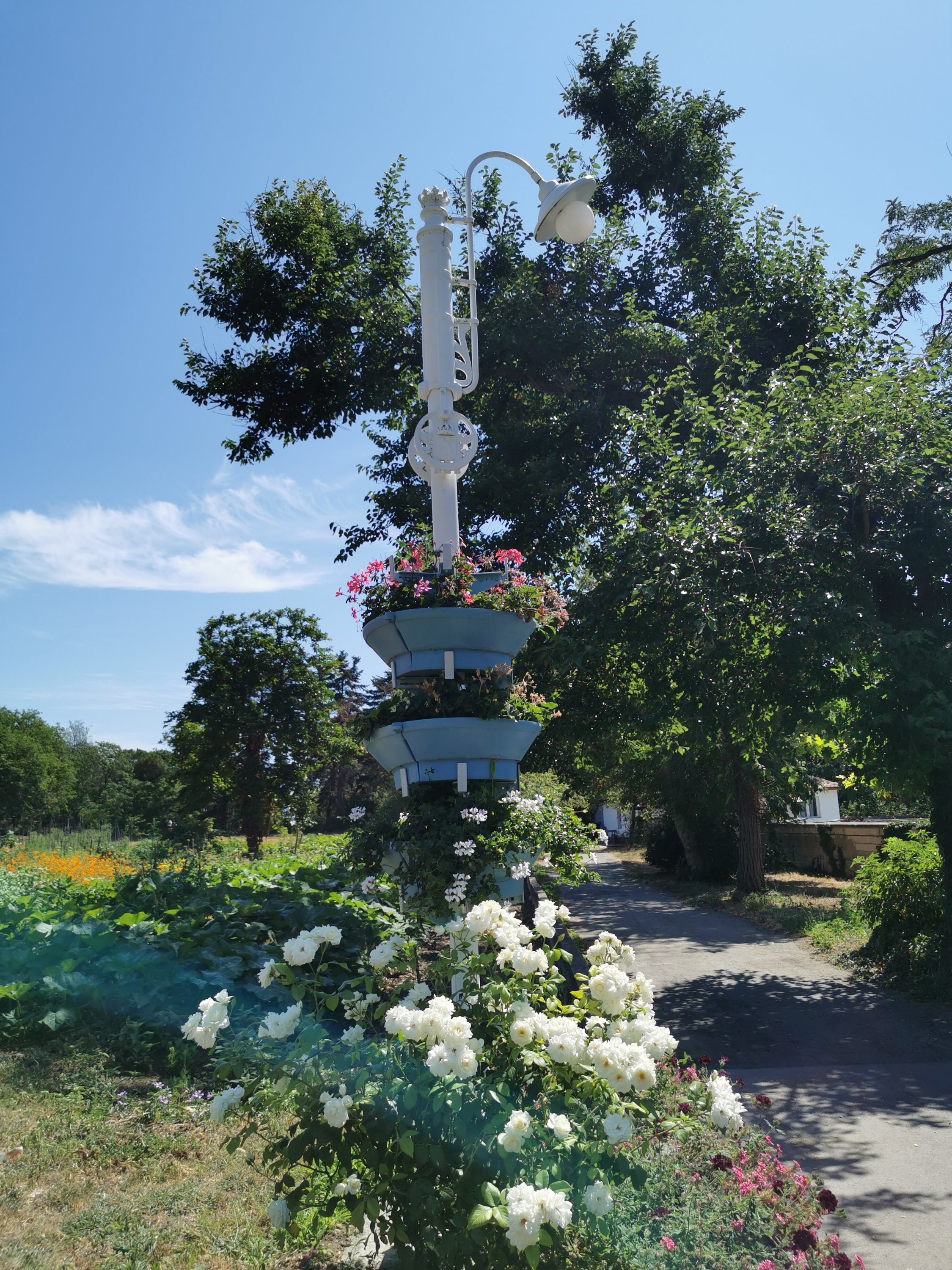
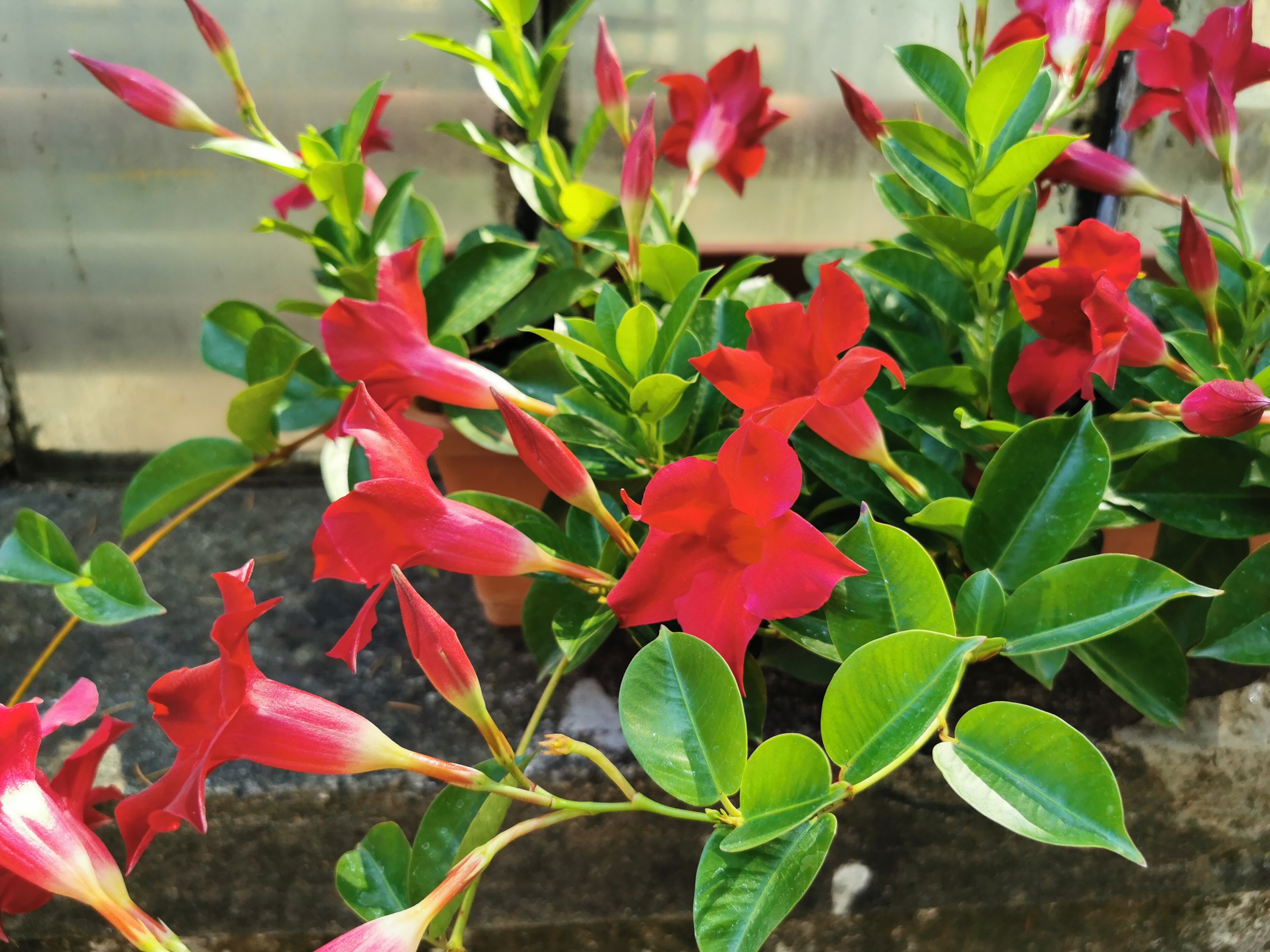
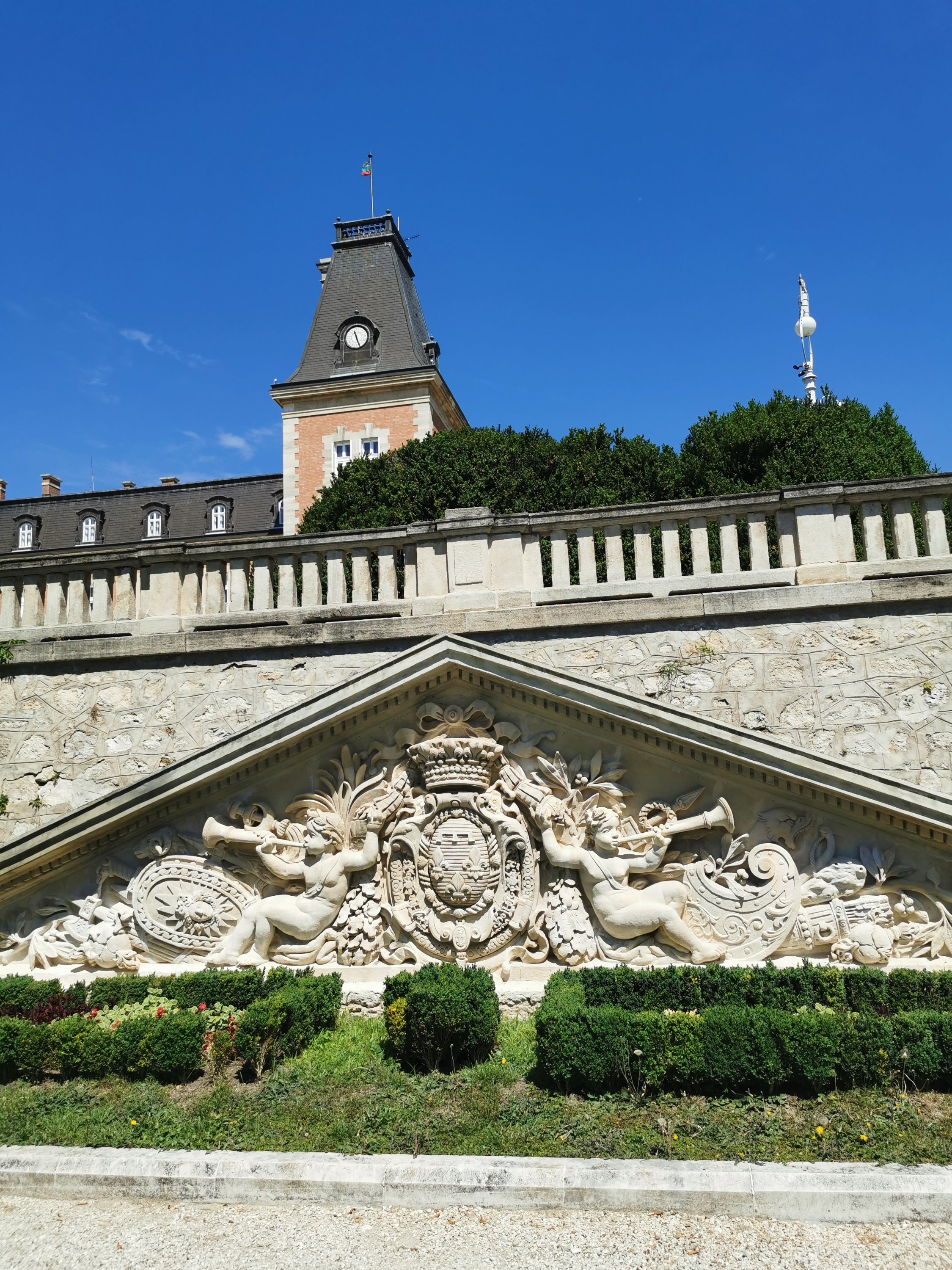
The palace, however, owes its current grandeur to Knyaz (later Tsar) Ferdinand. The pediment and other materials from the right wing of Château de Saint-Cloud in France, a former French royal residence, were brought to Bulgaria by Ferdinand and integrated into his new palace. As for the name – it came with the insistence of Princess Marie Louise, Ferdinand’s first wife. Euxinograd derives from the Ancient Greek term for the Black Sea, Εὔξεινος Πόντος (Euxeinos Pontos, “hospitable sea”) and the South Slavic suffix –grad, meaning “town” or, historically, “fortress”.***
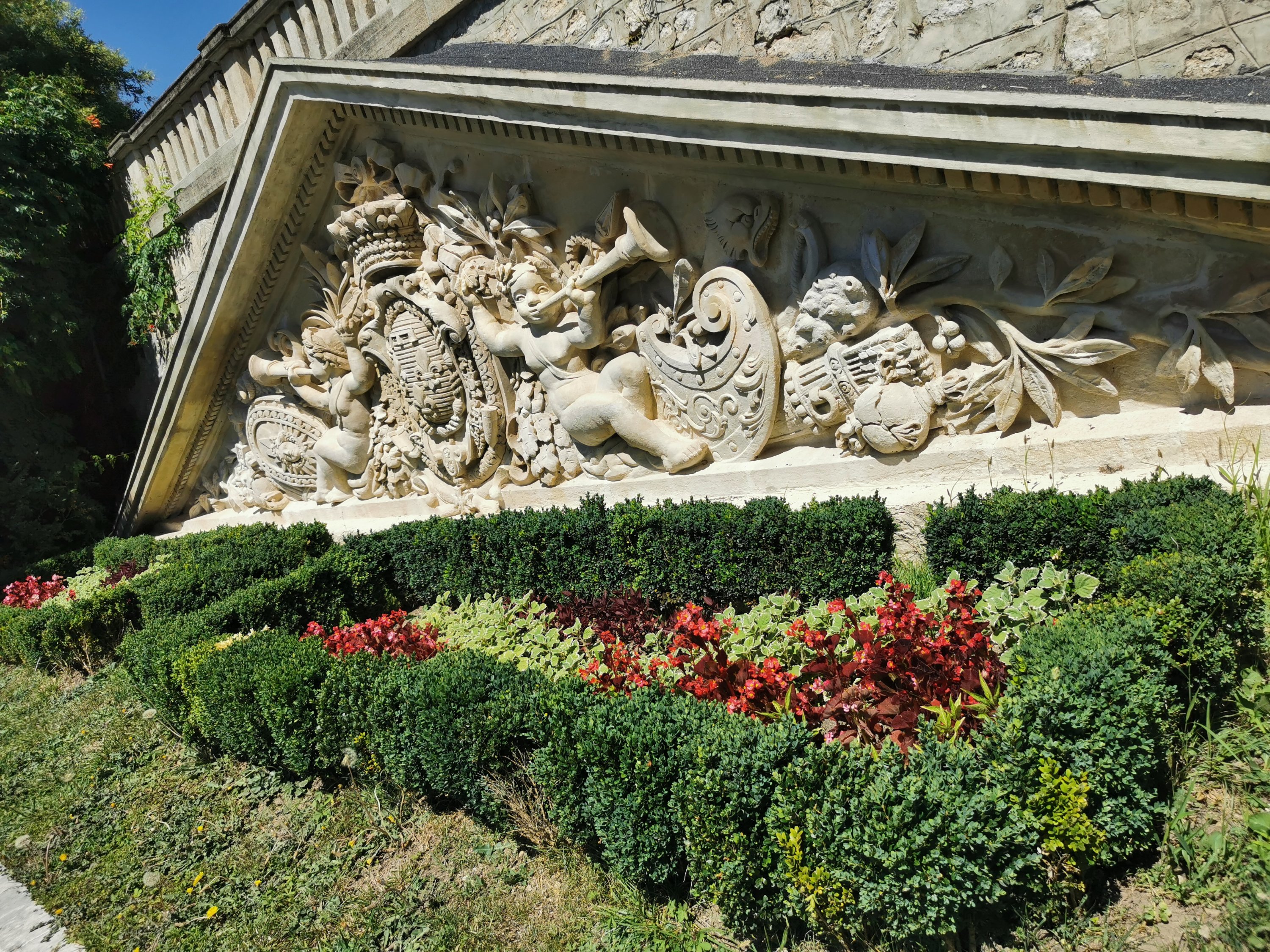
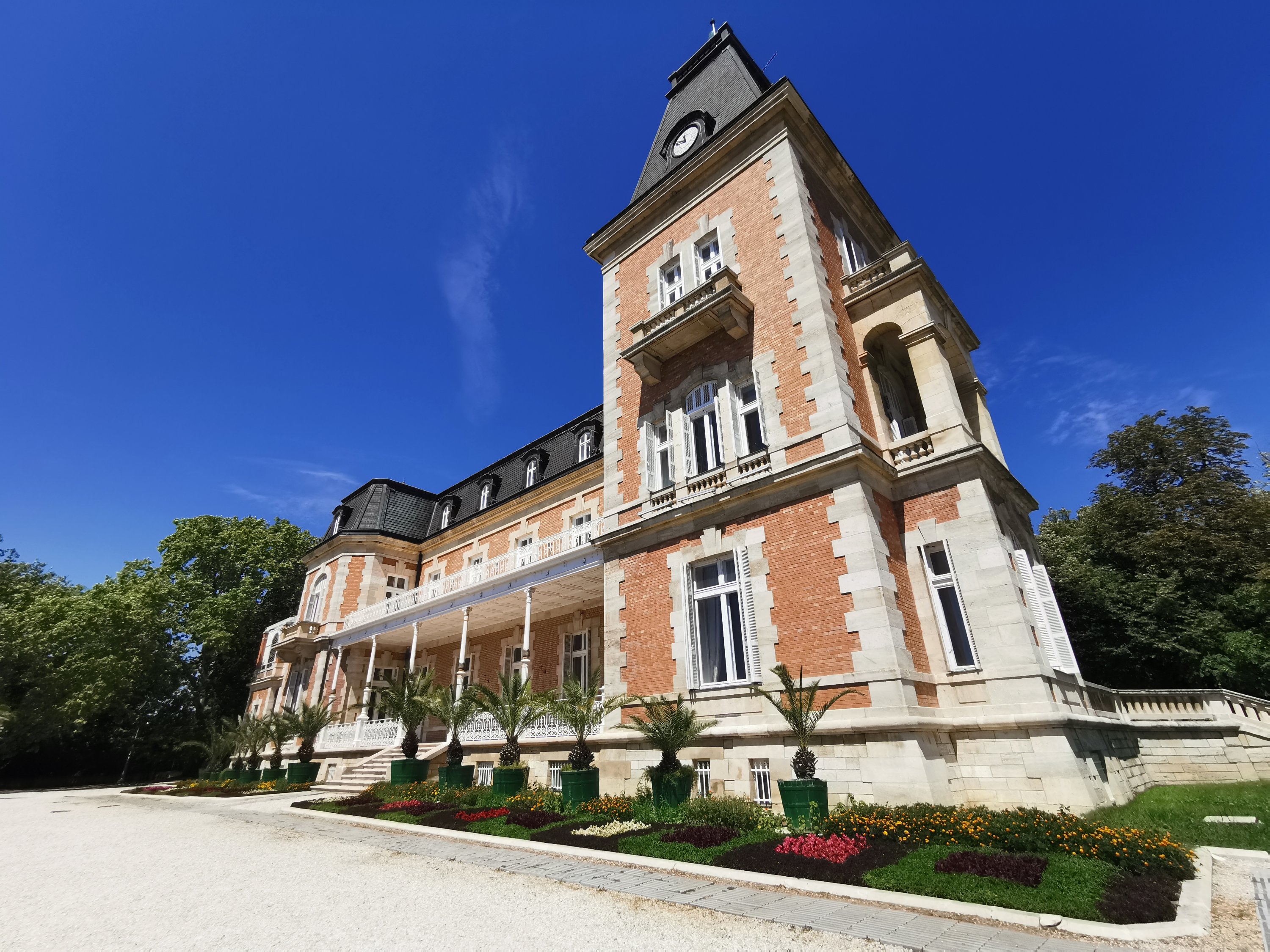
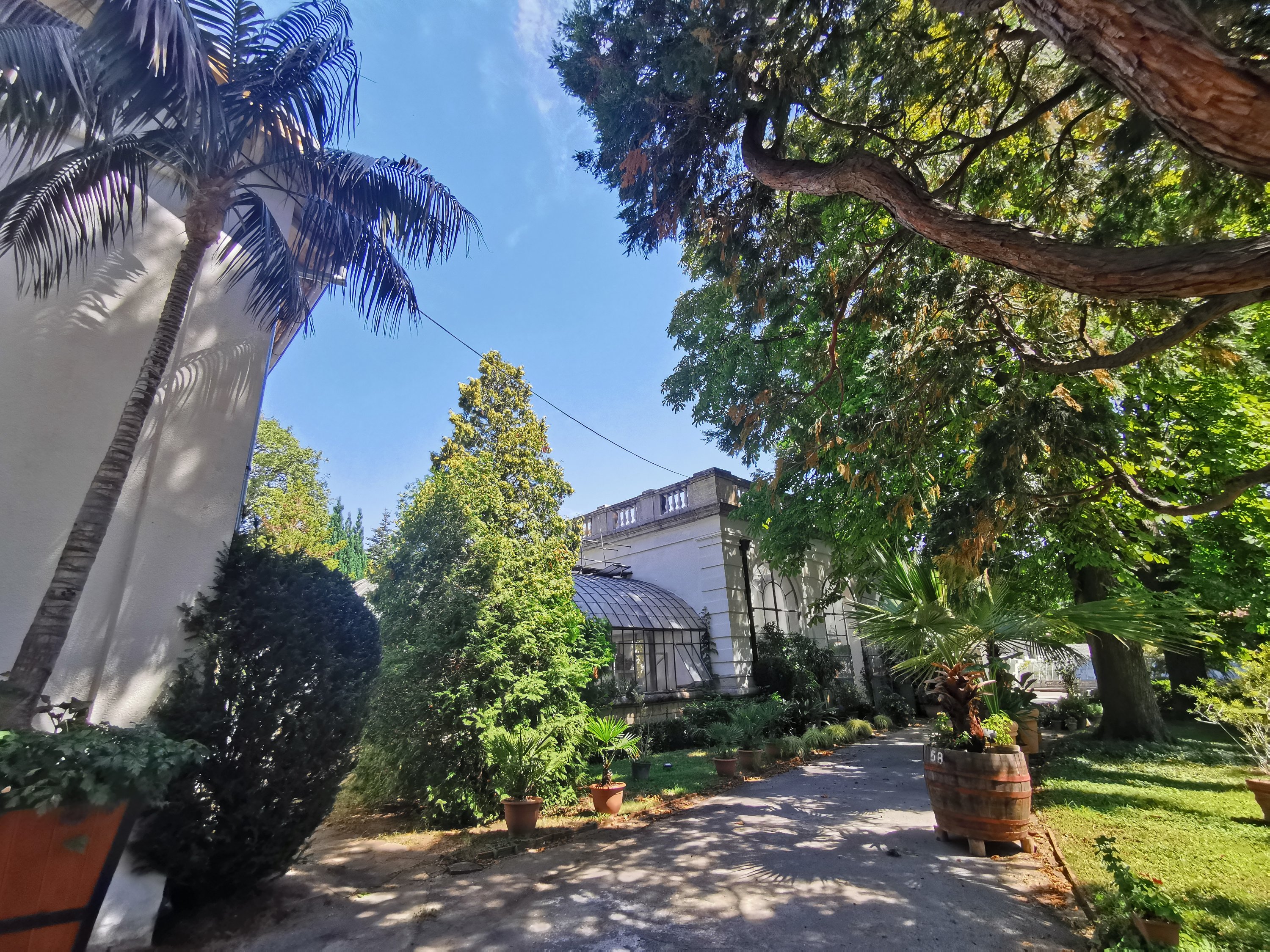
Following the abolition of the monarchy in Bulgaria, the result of a referendum held under the auspices of the Communists in 1946, Euxinograd became a summer residence of the then-Communist authorities. During that time a couple of new buildings were added to the complex, reflecting the architectural trends and insignia of different subperiods of Communist architecture and preferences of communist leaders.
The democratic changes in 1989 made the former royal palace a presidential and governmental residence and it was opened to the public.
If you skroll down this blog post by ?A you can see some photos of all the buildings around the complex. You will also get an idea of the facilities offered – a restaurant, a sports complex, a pool, a beach, a winery.
Although it’s open to the public though, there are a number of restrictions to exploring the complex. For example, if you just tour the castle, you would not see the lodging facilities. A few of the buildings are not accessible even if you are a guest of the complex (which takes a few months to get approval for). I guess, government officials want to keep their privacy after all, because there is even a wall to separate government officials from regular citizens.
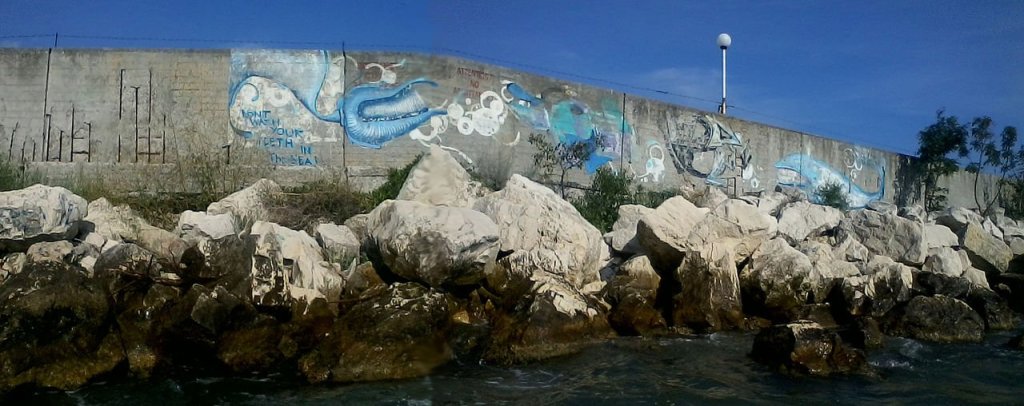
There are three more remakable landmarks I find worth mentioning – one for the more spiritual types and one for the bohemian types.
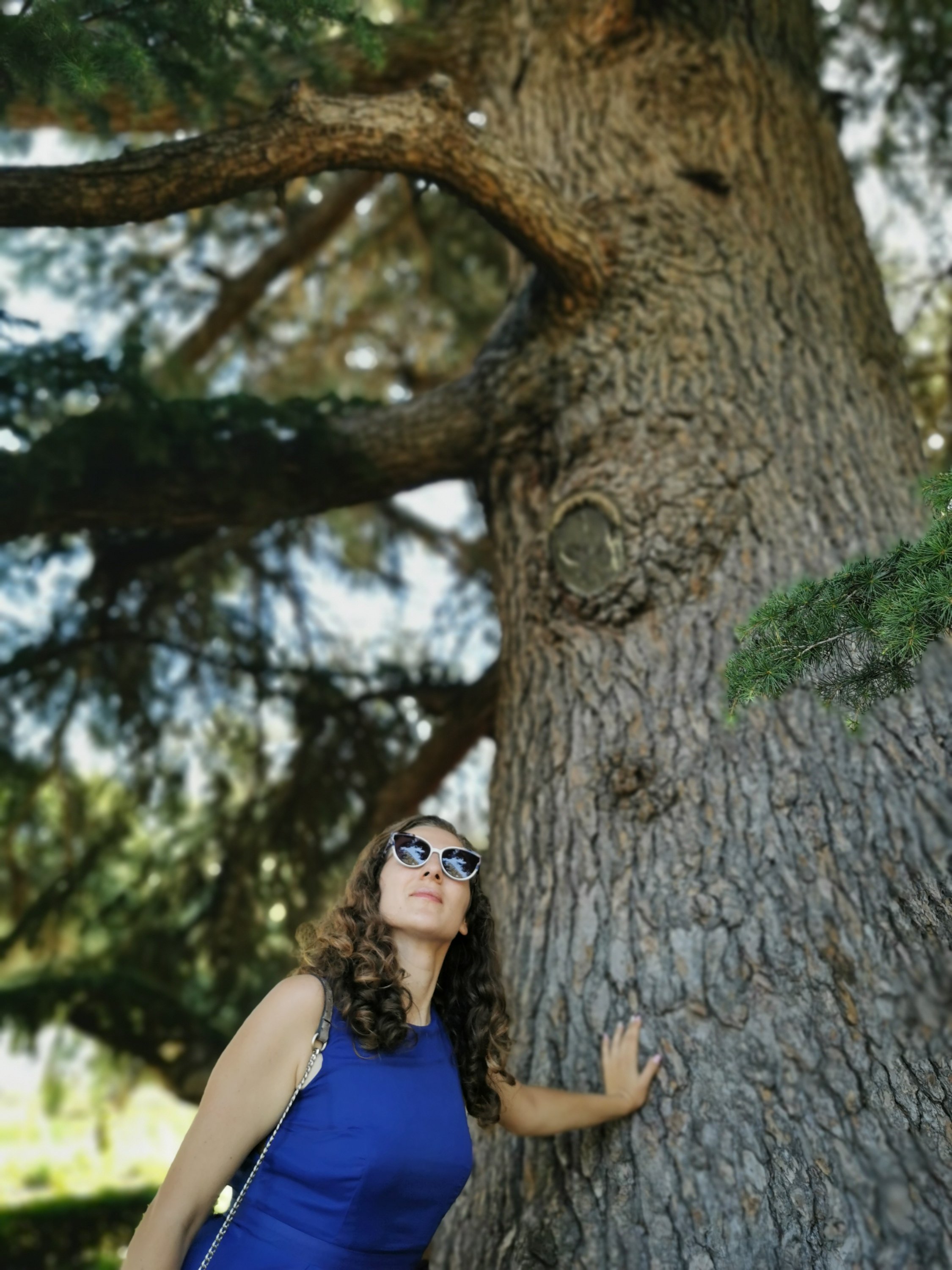
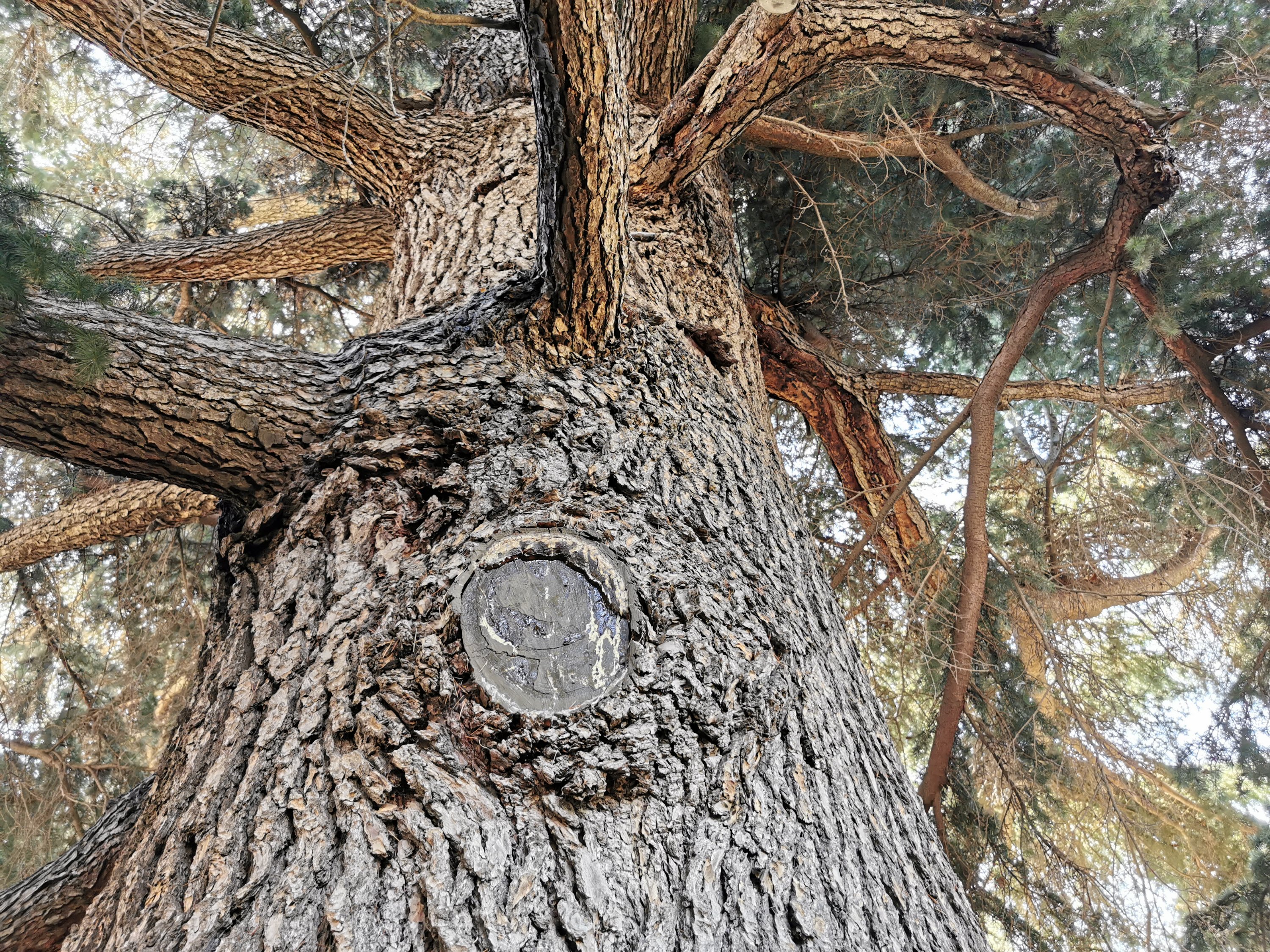
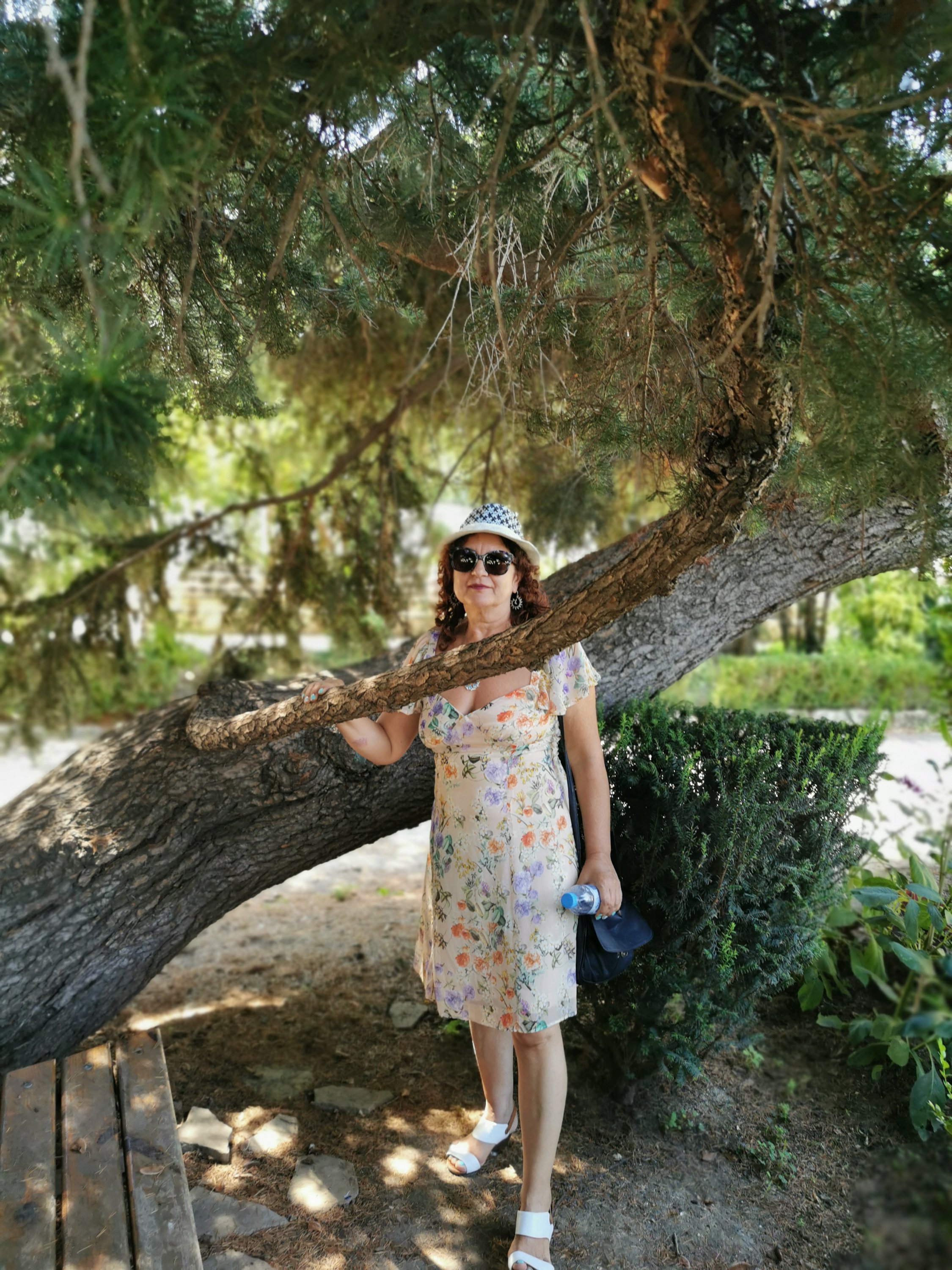
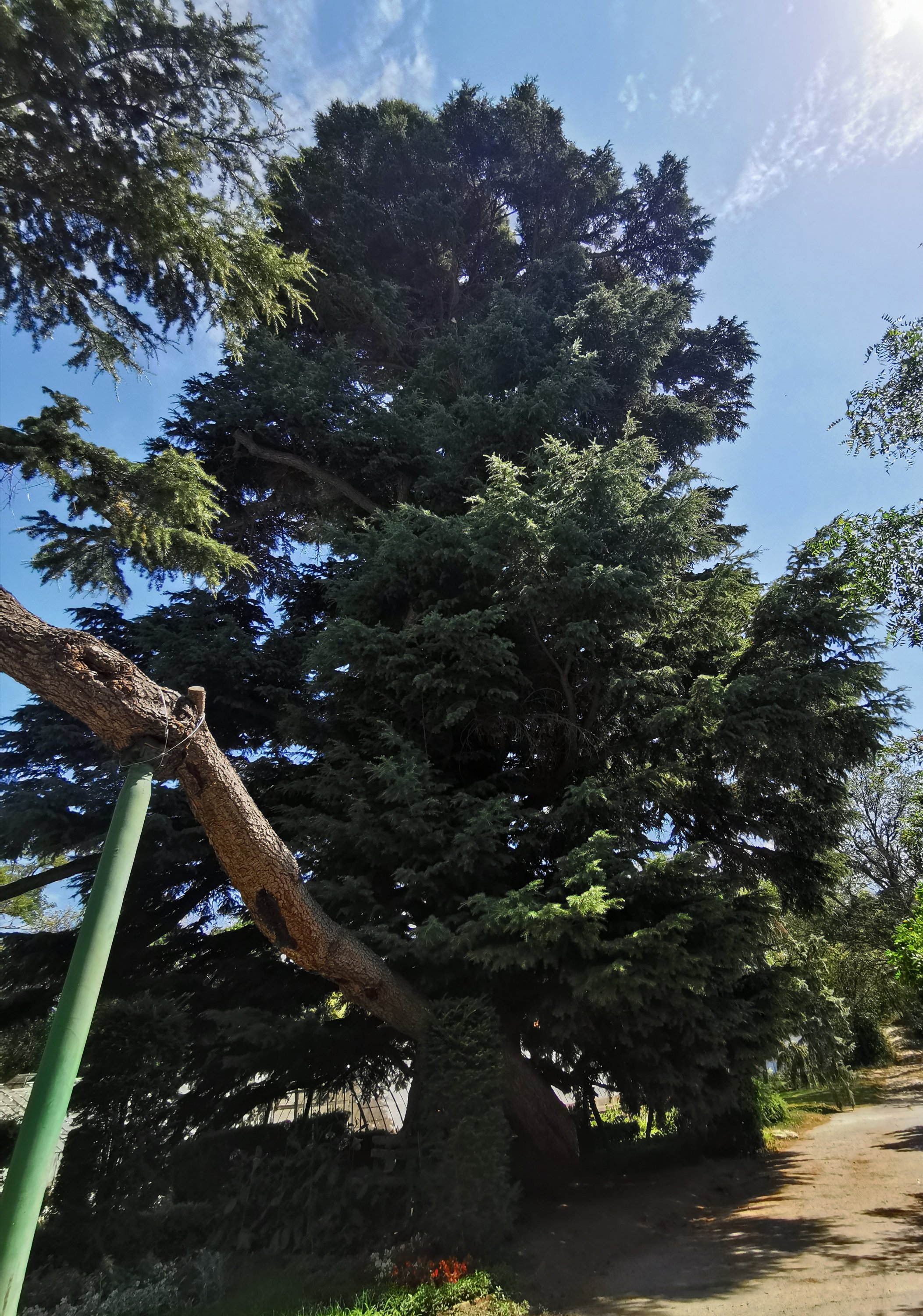
The first one is an enormous “Himalayan cedar” that is an almost 140- year-old tree. As other big old trees around the country, this one is also believed to hold some magical healing powers and special energy. For it to work, you need to touch it, hug it, or at best unite forces with a few other guests to embrace the whole 2-meter wide trunk. Even if you don’t believe in such stuff, this could provide for some guaranteed entertainment for you and your friends or family while attempting.
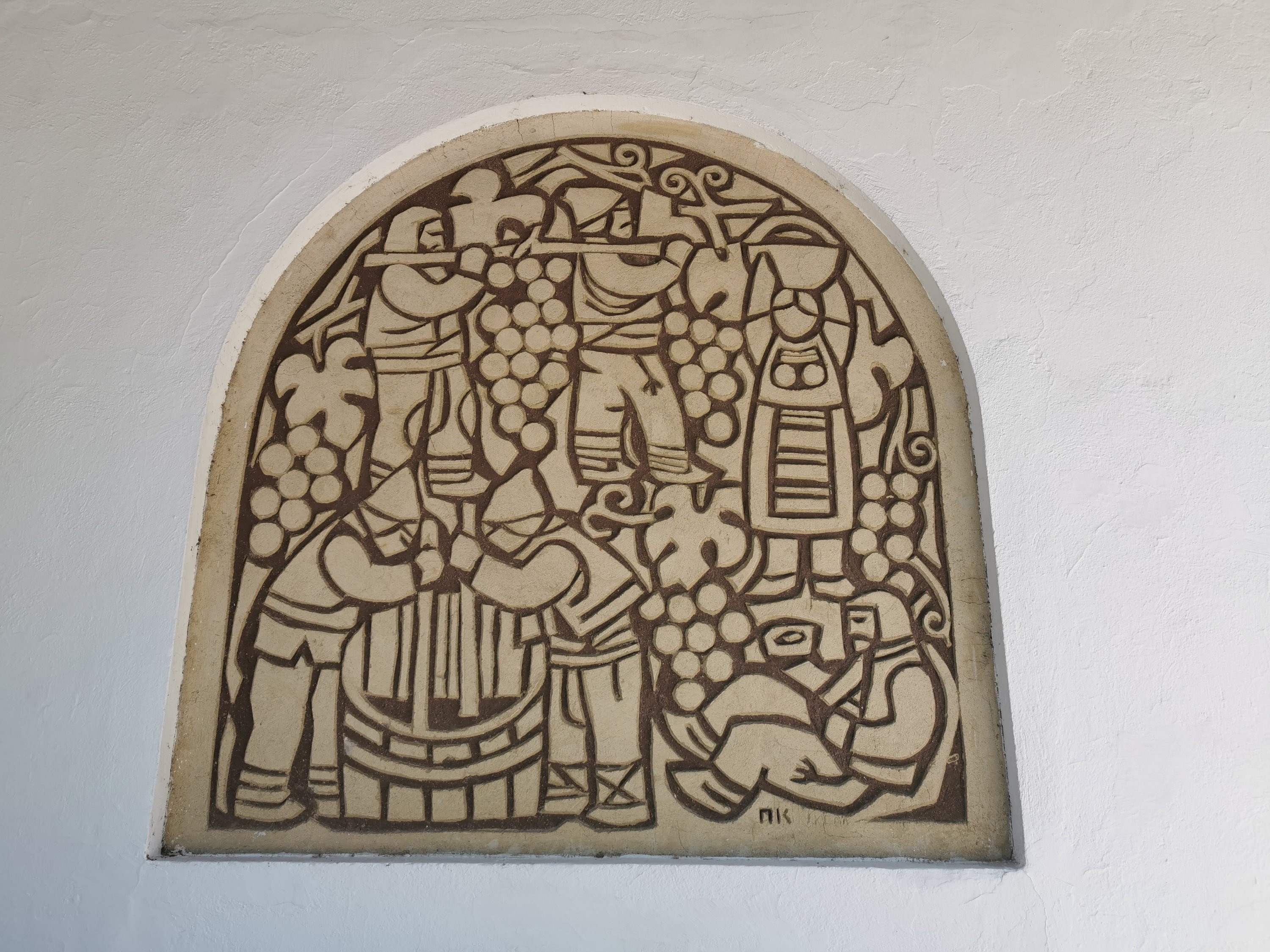
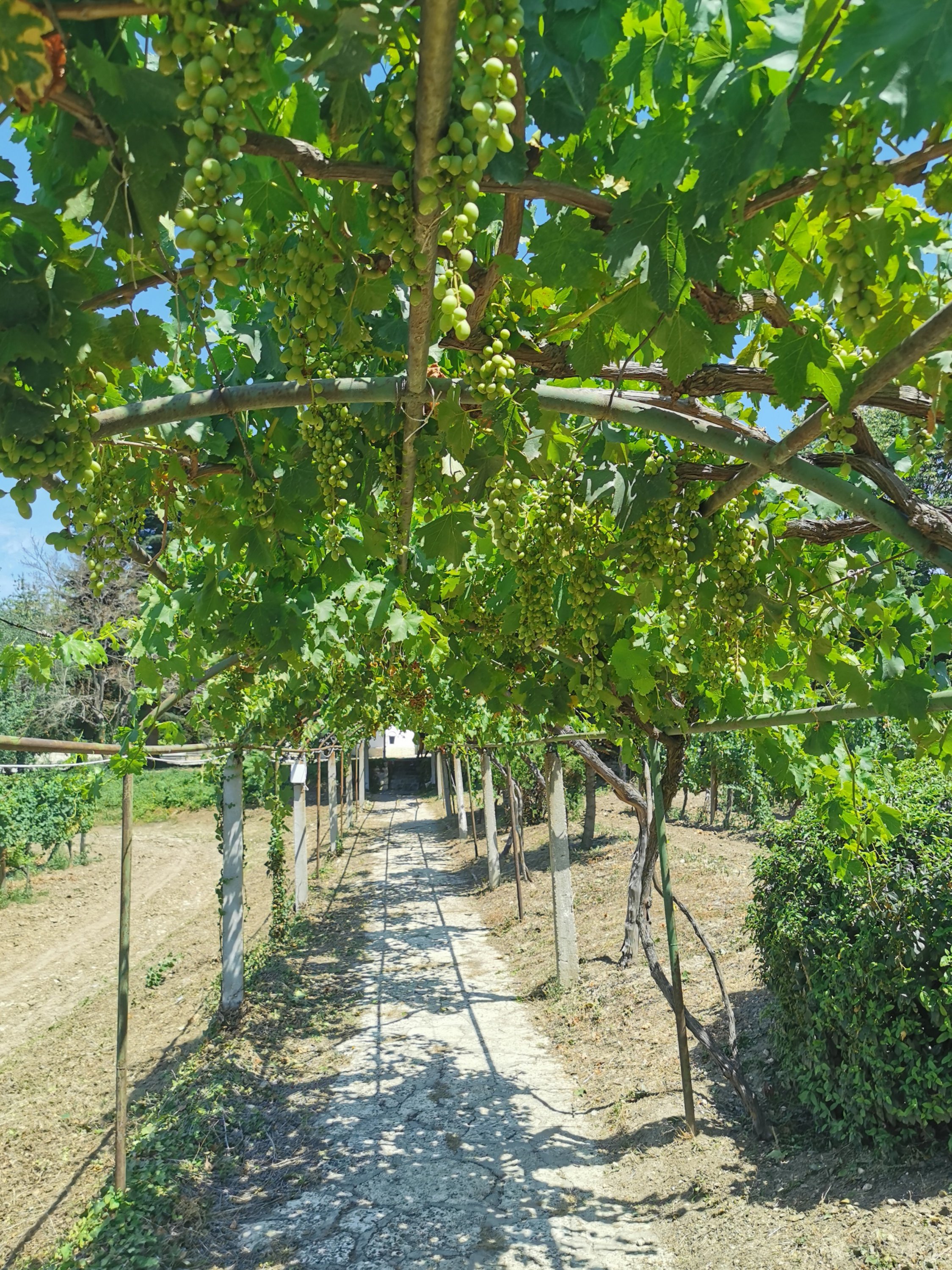
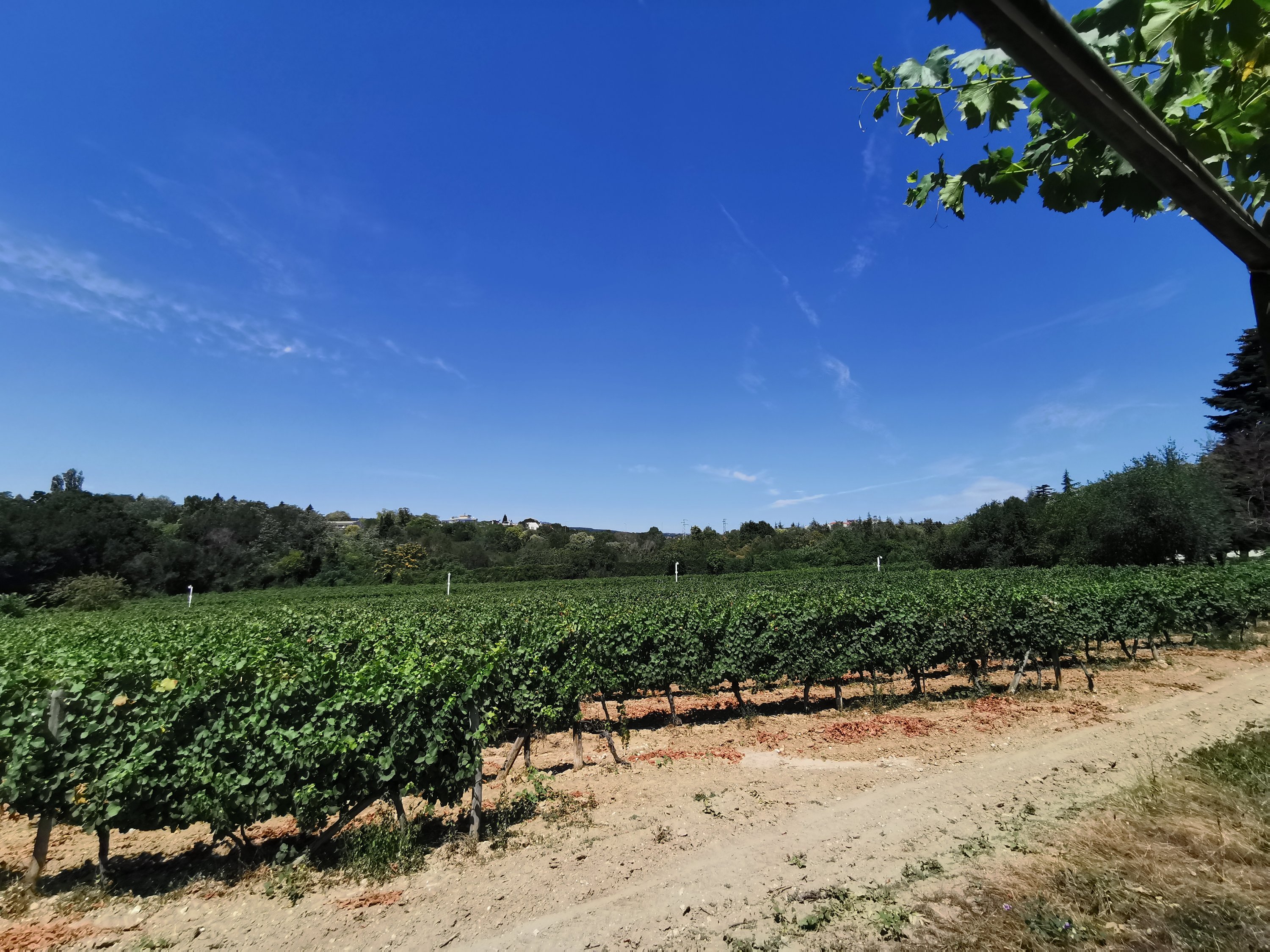
Last, but not least there is the winery – one of the oldest in the country. Here you can purchase some excellent wines as well as cognac matured in wine barrels. Cheers and hope you enjoy your visit as much as we did!
- Winter nights in the mountain
- Swimming with Sea Lions in Jurien Bay
- Summer is not over…
- Iceland and Game of Thrones
- Bulgaria Travel Hack #1
Sources:
- *Sofia Open Globe
- **Visit.Varna.bg
- ***Wikipedia
 Never have I ever